From Sketch to Stitch: How the Designs Come to Life
Every outfit tells a story. Behind every perfectly stitched garment is a creative journey filled with ideas, craftsmanship, fabric selection, precision, and attention to detail. While customers often see only the final product, the process behind creating high-quality fashion is much deeper than most people realize.
fashion is not just about manufacturing clothes – it is about transforming concepts into wearable designs that combine comfort, quality, and modern style.
From the first sketch to the final stitch, every step is carefully planned to ensure the garment meets both aesthetic and quality expectations. Here’s a closer look at how the designs come to life.
Understanding Fashion Trends and Customer Needs
Every collection begins with research and inspiration. Fashion trends are constantly evolving, and understanding customer preferences is one of the most important parts of the design process.
The team studies:
- Global fashion trends
- Indian market preferences
- Seasonal color palettes
- Fabric trends
- Customer lifestyles
- Social media fashion movements
However, trends alone are not enough, the focus is also placed on practicality and comfort. The goal is to create outfits that women can confidently wear in real life, not just for photos.
This balance between style and usability helps create collections that feel modern yet timeless.
Turning Ideas into Sketches
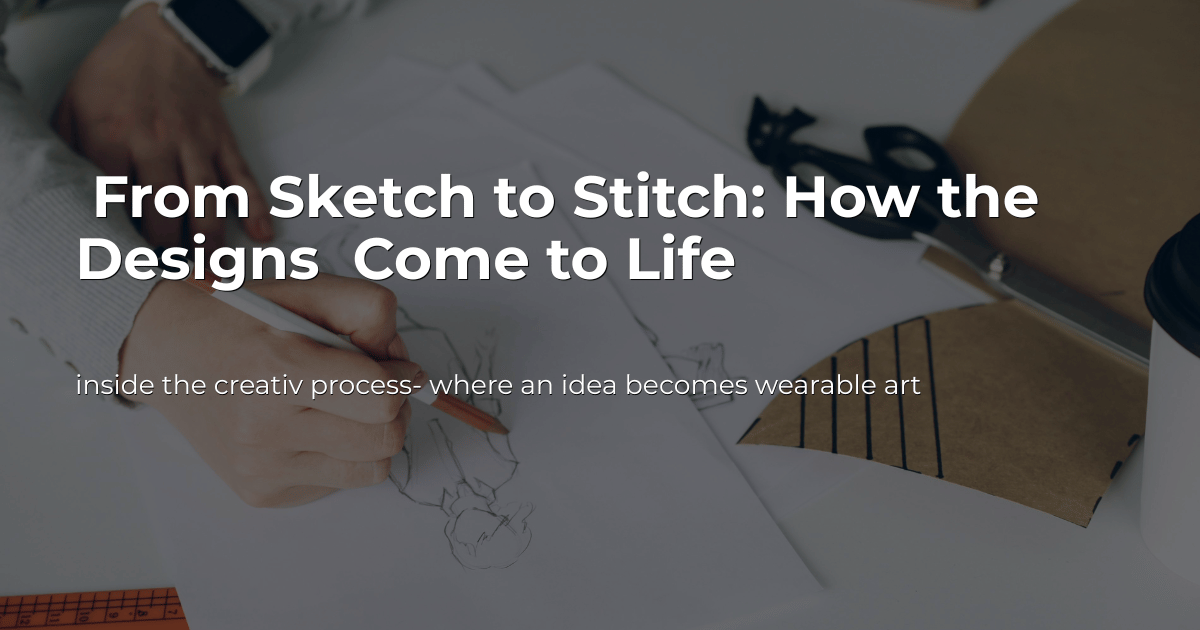
Once inspiration is gathered, the creative process begins with sketching. Designers transform concepts into rough fashion illustrations that help visualize the garment.
Sketches include:
- Silhouettes
- Sleeve patterns
- Neckline styles
- Length proportions
- Embroidery placement
- Styling details
This stage allows creativity to flow freely before moving into production.
Design sketches are important because they help:
- Refine ideas
- Improve garment structure
- Explore multiple variations
- Ensure visual balance
At this stage, even small details matter because they influence the final appearance of the outfit.
Selecting the Right Fabrics
Fabric selection is one of the most important parts of garment creation. Even the best design cannot succeed if the fabric quality is poor.
fabrics are chosen carefully based on:
- Comfort
- Durability
- Texture
- Fall and drape
- Breathability
- Seasonal suitability
The brand focuses on fabrics that not only look premium but also feel comfortable for long hours of wear.
Depending on the design, materials may include:
- Cotton
- Linen
- Rayon blends
- Georgette
- Organza
- Soft textured fabrics
The right fabric enhances both the beauty and functionality of the garment.
Pattern Making and Sampling
After finalizing the design and fabric, the next step is pattern making. This is where sketches begin transforming into actual garment structures.
Patterns act as blueprints for the outfit and help ensure:
- Accurate fitting
- Balanced proportions
- Proper garment construction
Once patterns are ready, sample garments are stitched for testing.
Sampling is extremely important because it allows the team to evaluate:
- Fitting accuracy
- Fabric behavior
- Stitching quality
- Overall appearance
- Comfort and movement
Sometimes multiple adjustments are made before approving the final version.
This stage helps maintain high-quality standards and reduces production errors.
Precision Cutting and Stitching
After the sample is finalized, production begins. Fabric cutting is done carefully to ensure consistency and minimize wastage.
Precision cutting plays a major role in:
- Proper garment fitting
- Fabric efficiency
- Design accuracy
Once cutting is completed, skilled stitching teams bring the design to life.
, stitching is not treated as just a manufacturing task — it is considered craftsmanship.
Attention is given to:
- Seam finishing
- Stitch strength
- Shape consistency
- Neat detailing
- Garment durability
High-quality stitching improves both comfort and the lifespan of the outfit.
Finishing and Quality Checks
Before any garment is ready, it goes through detailed finishing and quality inspection processes.
Every outfit is checked for:
- Stitching accuracy
- Fabric defects
- Measurement consistency
- Finishing quality
- Loose threads
- Overall presentation
Final finishing may include:
- Ironing
- Trimming
- Folding
- Packaging preparation
These final touches ensure the garment looks polished and premium before reaching customers.
Quality control is one of the biggest factors that separates professional apparel manufacturing from ordinary production.
Creating Fashion That Feels Personal
, every design is created with the belief that fashion should feel personal and comfortable.
The brand focuses on designing clothing that combines:
- Modern aesthetics
- Comfortable fitting
- Quality craftsmanship
- Everyday practicality
Instead of creating fast-fashion pieces that lose relevance quickly, the goal is to develop garments women can wear confidently across multiple occasions.
Fashion is not only about appearance -it is about how the outfit makes someone feel.
Final Thoughts
The journey from sketch to stitch is a process filled with creativity, precision, and dedication. Every stage – from trend research and sketching to fabric selection, stitching, and finishing – plays an important role in creating high-quality apparel.
fashion is crafted with attention to detail, quality standards, and customer comfort at the center of every design.
Behind every finished garment is a team working carefully to transform ideas into clothing that reflects style, confidence, and craftsmanship.
Because great fashion is never created by chance.
It is carefully designed, thoughtfully stitched, and made with purpose.