From Design to Delivery: Inside the Garment Manufacturing Process
The garment manufacturing industry is one of the most important pillars of the global fashion market. Every outfit we wear goes through a detailed journey before reaching stores, boutiques, or customers. Behind every finished garment is a complete process involving creativity, fabric selection, skilled craftsmanship, quality checks, and organized production management.
Garment manufacturing is not simply about stitching clothes. It is a combination of design, technical precision, and production expertise that transforms creative ideas into wearable fashion products.
From the first design concept to the final delivery, every stage plays an important role in creating high-quality apparel. Here’s a complete look inside the garment manufacturing process.
Design and Fashion Research
Every garment begins with an idea. Before production starts, designers research market trends, customer preferences, seasonal colors, and fashion movements.
Inspiration may come from:
* Global runway trends
* Social media fashion
* Celebrity styling
* Streetwear culture
* Customer lifestyle needs
The goal is to create clothing that feels stylish, practical, and wearable.
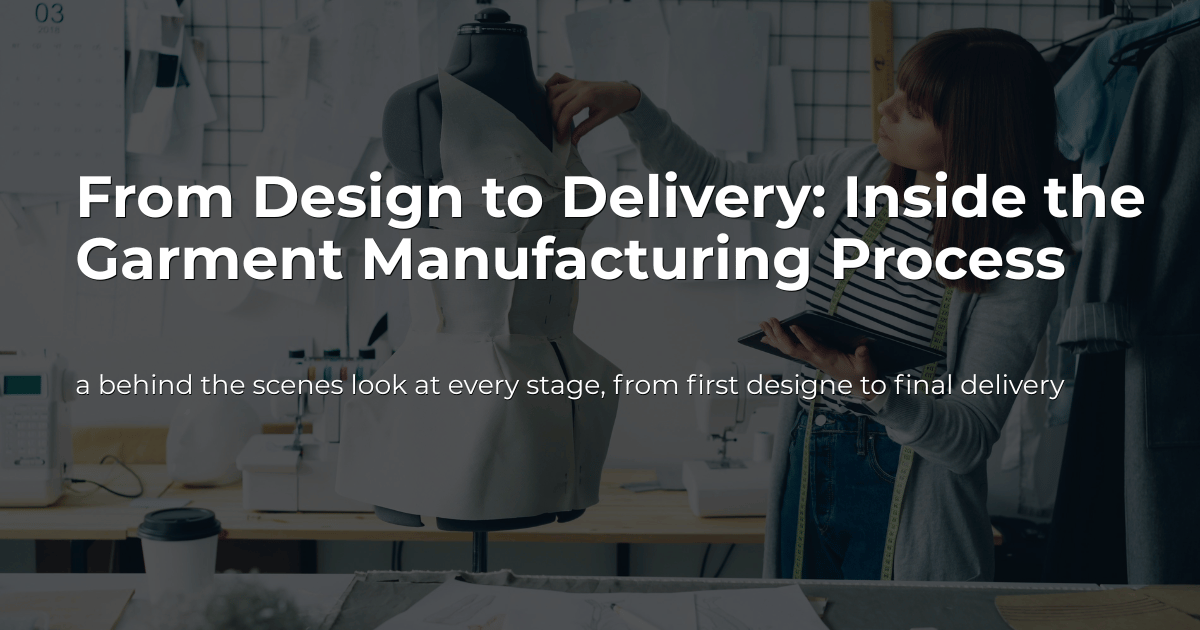
Once research is completed, designers create sketches and technical drawings that define:
* Garment silhouette
* Neckline
* Sleeve style
* Measurements
* Design details
This stage forms the foundation of the entire production process.
Fabric Selection:Fabric is one of the most important elements in garment manufacturing. The quality of the fabric directly affects:
* Comfort
* Appearance
* Durability
* Fitting
* Customer satisfaction
Choosing the right fabric depends on the garment type and intended use.
Popular fabrics used in women’s apparel manufacturing include:
* Cotton
* Linen
* Rayon
* Georgette
* Satin blends
* Sustainable fabrics
High-quality fabrics improve the overall look and feel of the garment while also increasing durability.
Modern consumers now prefer fabrics that are breathable, comfortable, and long-lasting.
Pattern Making and Sampling
After the design and fabric are finalized, the next step is pattern making.
Patterns act as blueprints for the garment and help ensure:
* Accurate fitting
* Correct proportions
* Consistent sizing
Professional pattern making is extremely important because even small errors can affect the final appearance of the outfit.
Once patterns are prepared, sample garments are stitched for testing and approval.
Sampling helps evaluate:
* Fabric behavior
* Stitching quality
* Garment structure
* Comfort and movement
* Overall design appearance
Necessary adjustments are made before bulk production begins.
This process helps reduce production mistakes and ensures better quality results.
Fabric Cutting
After sample approval, fabric cutting begins. Fabric is carefully spread and cut according to approved patterns.
Precision cutting is essential because inaccurate cutting can lead to:
* Poor fitting
* Fabric wastage
* Size inconsistencies
Advanced cutting techniques improve efficiency and maintain production accuracy.Proper cutting also helps reduce material waste, which is becoming increasingly important in sustainable manufacturing practices.
Stitching and Garment Assembly
Once the fabric pieces are cut, they move to the stitching department where skilled workers assemble the garments.
This stage includes:
* Joining garment panels
* Sleeve attachment
* Collar and cuff stitching
* Zipper and button attachment
* Embroidery or printing work
Finishing details
Stitching quality plays a major role in garment durability and overall appearance.Strong stitching ensures the outfit remains comfortable and long-lasting even after repeated use.Attention to detail during stitching helps create garments that look refined and professionally finished.
Quality Control and Finishing
Quality control is one of the most important stages in garment manufacturing. Every finished garment is inspected carefully before packaging.
The quality inspection process checks:
* Stitching accuracy
* Measurements
* Fabric defects
* Loose threads
* Finishing quality
* Design consistency
After inspection, garments go through finishing processes such as:
* Ironing
* Trimming
* Folding
* Labeling
* Packaging preparation
These finishing touches improve product presentation and customer experience.Good quality control helps build trust and maintain professional manufacturing standards.
Packaging and Delivery:Once garments are approved, they are packed carefully for shipping and delivery.Packaging protects products during transportation and ensures garments reach customers in proper condition.
Manufacturers prepare products for:
* Retail stores
* Wholesale orders
* Boutique brands
* International exports
* Online fashion businesses
Timely delivery is extremely important in the fashion industry because seasonal collections and launch schedules depend heavily on production timelines.Efficient delivery systems help fashion brands maintain smooth business operations and customer satisfaction.
Final Thoughts
The garment manufacturing process is much more than simply making clothes. It is a detailed journey involving creativity, technical expertise, skilled labor, and quality management.
From design development and fabric selection to stitching, finishing, packaging, and final delivery, every stage contributes to creating garments that combine style, comfort, and durability.
Modern apparel manufacturing is constantly evolving with new trends, sustainable practices, and improved production technologies. However, one thing remains constant – quality craftsmanship continues to be the foundation of great fashion.
Because every finished garment tells a story of creativity, precision, and the hard work behind the process from design to delivery