Why Fabric Quality Matters More Than Brand Name
In today’s fashion industry, many customers are influenced by big brand names, celebrity endorsements, flashy advertisements, and social media trends. People often believe that expensive branded clothing automatically means better quality. However, experienced shoppers and fashion experts understand an important truth – fabric quality matters far more than the brand label attached to the outfit.
A beautiful design may attract attention initially, but the real value of clothing comes from how it feels, fits, lasts, and performs over time. No matter how famous a fashion brand is, poor-quality fabric can ruin the entire experience.
In 2026, consumers are becoming smarter and more aware of what they purchase. Women are now focusing on comfort, durability, sustainability, and long-term value instead of simply buying clothes because of a logo. This shift is changing the future of the fashion industry.
Let’s understand why fabric quality should always be a higher priority than brand name while buying women’s wear.
Fabric Is the Foundation of Every Outfit:
The fabric is the most important element of any garment. It directly affects:
- Comfort
- Appearance
- Durability
- Fitting
- Breathability
- Skin feel
Even the best designer outfit cannot look premium if the fabric quality is poor.
A high-quality fabric improves the overall look of the garment naturally. It drapes better, feels softer on the skin, and maintains its structure after multiple uses.
On the other hand, low-quality fabric may:
- Fade quickly
- Shrink after washing
- Lose shape
- Feel uncomfortable
- Tear easily
This is why experienced buyers often check the fabric before checking the brand tag.
Comfort Matters More Than Logos
Fashion today is not only about appearance — it is also about comfort. Women want outfits they can wear confidently for long hours without discomfort.
Premium fabrics such as:
- Cotton
- Linen
- Modal
- Bamboo blends
- Soft rayon
- Organic fabrics
provide better breathability and comfort compared to cheap synthetic materials.
In countries like India, where weather conditions can be extremely hot and humid, breathable fabrics are essential. Poor-quality synthetic clothing may cause:
- Excess sweating
- Skin irritation
- Discomfort
- Poor airflow
No luxury logo can compensate for uncomfortable clothing.
Modern consumers are now choosing garments that feel good rather than simply look expensive.
High-Quality Fabric Lasts Longer
One of the biggest advantages of premium fabric is durability. High-quality clothing can maintain its appearance for years if properly cared for.
Good fabric resists:
Color fading
Pilling
Shrinking
Fabric damage
Loose stitching appearance
This makes high-quality clothing a smarter long-term investment.
Many low-cost branded fashion items look attractive initially but lose their quality after a few washes. Customers then need to replace them frequently, which actually increases spending over time.
Buying fewer high-quality garments is often more economical than repeatedly purchasing low-quality fast fashion.
Better Fabric Improves Fitting and Appearance
Fabric quality plays a major role in how an outfit fits the body. Premium fabrics drape more naturally and enhance body shape without looking stiff or cheap.
For example:
High-quality cotton gives structure and comfort
Linen creates a rich natural texture
Soft georgette flows elegantly
Premium silk adds luxury and shine
Low-quality fabric often looks flat, rough, or poorly stitched even if the design is fashionable.
A simple outfit made with excellent fabric can appear more elegant than a heavily branded outfit made with inferior materials.
True fashion is often recognized through quality craftsmanship rather than visible logos.
Fabric Quality Reflects Brand Integrity
A fashion brand that focuses on high-quality fabric shows genuine commitment to customer satisfaction.
Good manufacturers carefully select:
- Yarn quality
- Fabric density
- Dyeing process
- Finishing techniques
- Fabric durability
This attention to detail creates better products and builds long-term trust.
In contrast, some brands spend more money on marketing than on actual product quality. They rely heavily on branding, influencers, and packaging while compromising on materials.
Smart consumers now research product composition before purchasing. They understand that branding alone does not guarantee quality.
Sustainable Fashion Starts with Better Fabric
Sustainability has become a major topic in the global fashion industry. Consumers are becoming more conscious about the environmental impact of clothing production.
High-quality fabric supports sustainable fashion because durable clothing lasts longer and reduces unnecessary waste.
Fast fashion often uses cheap synthetic materials that:
- Wear out quickly
- Create textile waste
- Contribute to pollution
- Harm the environment
On the other hand, premium natural fabrics like:
- Organic cotton
- Khadi
- Linen
- Hemp blends
- Bamboo fabric
are more sustainable and environmentally friendly.
Women today are increasingly choosing quality over quantity, which is encouraging fashion brands to improve material standards.
Skin Health Depends on Fabric Choice
Many people ignore how fabric directly affects skin health. Low-quality materials may contain harsh chemicals, poor dyes, and rough textures that irritate sensitive skin.
Poor fabric can cause:
- Itching
- Allergies
- Rashes
- Excess heat
- Skin discomfort
This is especially important for:
- Summer wear
- Activewear
- Innerwear
- Everyday clothing
Premium fabrics are usually softer, safer, and more skin-friendly.Comfortable clothing improves confidence and overall well-being.
Expensive Brand Does Not Always Mean Better Quality
One of the biggest misconceptions in fashion is that expensive brands automatically provide superior products.
In reality, customers often pay extra for:
- Advertising
- Celebrity promotions
- Luxury store experience
- Brand reputation
- Packaging
Sometimes the actual garment quality may not justify the price.
Many smaller or emerging clothing manufacturers now offer exceptional fabric quality at much more reasonable prices.
This is why educated consumers increasingly focus on:
- Fabric composition
- Stitching quality
- Finishing
- Comfort
- Durability
instead of blindly following famous labels.
How to Identify Good Fabric Quality
Consumers can easily check fabric quality before purchasing clothing by paying attention to a few important details.
Check the Texture:High-quality fabric feels smooth, soft, and comfortable.
Test Breathability:Natural fabrics usually allow better airflow.
Examine Stitching:Good fabric combined with neat stitching indicates better craftsmanship.
Read Fabric Composition:Check labels for cotton, linen, modal, viscose, or organic blends.
Observe Fabric Thickness:Very thin or rough fabric may indicate lower quality.
Stretch and Recovery:Premium fabric usually returns to shape properly after stretching.
These simple checks help buyers make smarter fashion decisions.
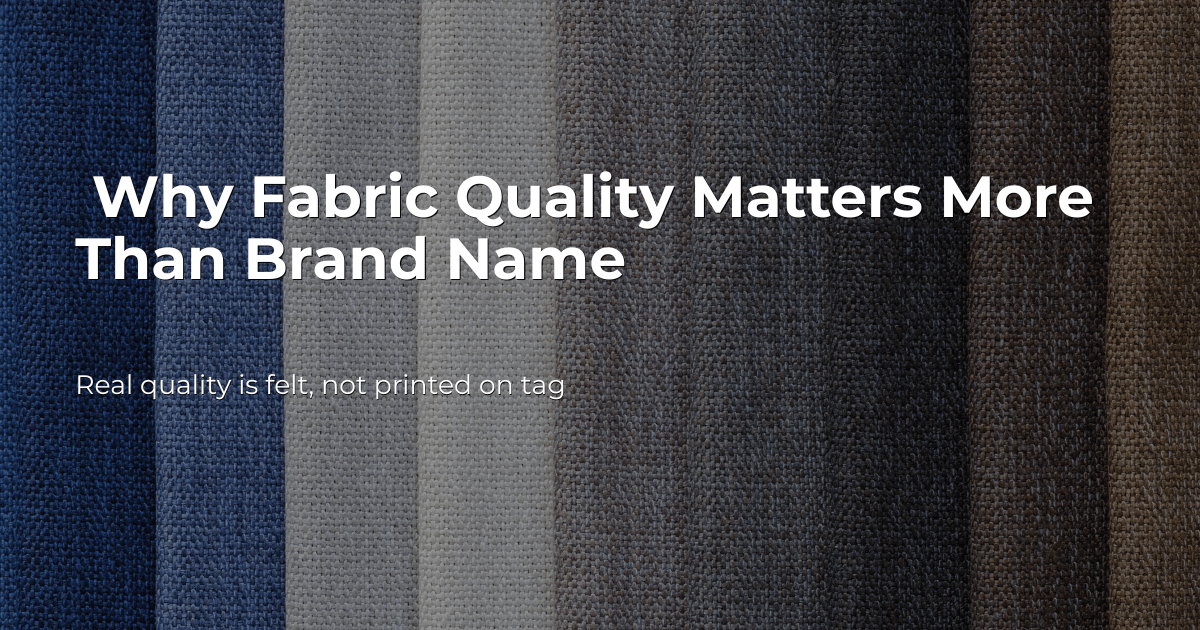
Fashion trends may change every season, but quality never goes out of style. While brand names can create attraction, fabric quality determines the real value of clothing.
An outfit made from premium fabric offers:
- Better comfort
- Longer durability
- Elegant appearance
- Improved fitting
- Sustainable value
Modern consumers are now shifting away from logo-driven shopping and choosing clothing that genuinely feels good and lasts longer.
The future of fashion belongs to brands that prioritize craftsmanship, quality materials, and customer comfort over aggressive branding alone.
At the end of the day, people may notice the brand name first — but they remember how the clothing made them feel.